
Spectrum manufactures custom acrylic and plastic display stands for brands: counter displays, tester units, brochure holders, shelf organisers and floor units. We work in acrylic, polycarbonate and PETG, cut on laser and precision cutting machines, so every unit in a multi-store rollout comes out identical.
Acrylic is the material brands choose when the product needs to be seen clearly and the display needs to look premium without the weight or cost of glass.
Plastic Display Stands We Make
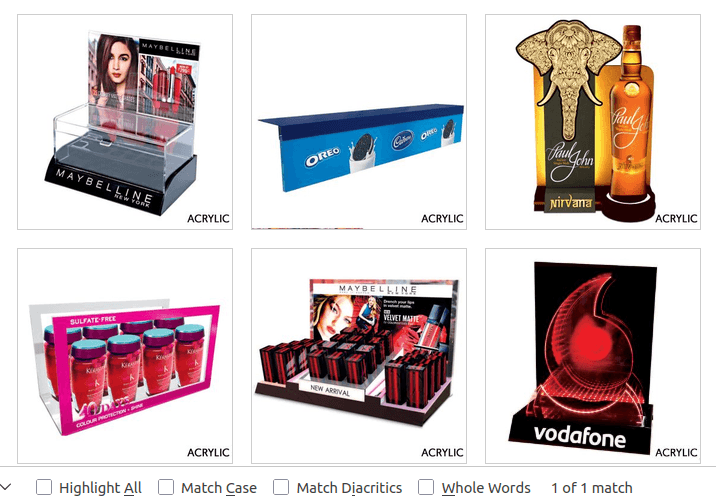
Acrylic Counter Display Stands
Plastic counter display stands that sit on billing counters, pharmacy desks and beauty counters, holding product in tiers, slots or trays. In Indian retail, where counter space is often all a brand can get, a well-sized acrylic counter unit is one of the most dependable POP display formats.
Cosmetic Tester Units and Beauty Displays
Tester stands, shade organisers and lipstick or nail-colour units that keep testers upright, visible and easy to restock.
Brochure, Leaflet and Price Holders
Counter and wall-mounted holders for leaflets, menus, offer cards and price information.
Shelf-in-Shelf Trays and Dividers
Branded acrylic trays and dividers that fit inside a retailer's existing shelf and separate one brand's products from the rest of the category.
Product Risers, Plinths and Display Blocks
Clear or coloured acrylic elements that lift hero products on a counter or in a window display.
Floor-Standing Acrylic Units
Freestanding units in acrylic, or acrylic combined with wooden or metal structures, for brand zones in malls and modern trade.
Acrylic, Polycarbonate or PETG?
All three are clear sheet plastics, but they behave differently in a store.
| Material | Clarity and look | Impact resistance | Watch out for | Best used for |
|---|---|---|---|---|
| Acrylic (PMMA) | Highest clarity; glossy, glass-like finish; laser cutting gives polished edges | Moderate; can crack if dropped or struck | Scratches; crazing from alcohol-based cleaners | Counter displays, tester units, premium brand POSM |
| Polycarbonate | Clear, slightly less glossy than acrylic | Very high; takes knocks without cracking | Scratches more easily; higher cost | High-handling displays, protective covers, heavy-use counters |
| PETG | Good clarity | High | Softer surface; lower heat resistance | Bent and formed parts, price-sensitive displays, larger runs |
How We Fabricate Acrylic Displays
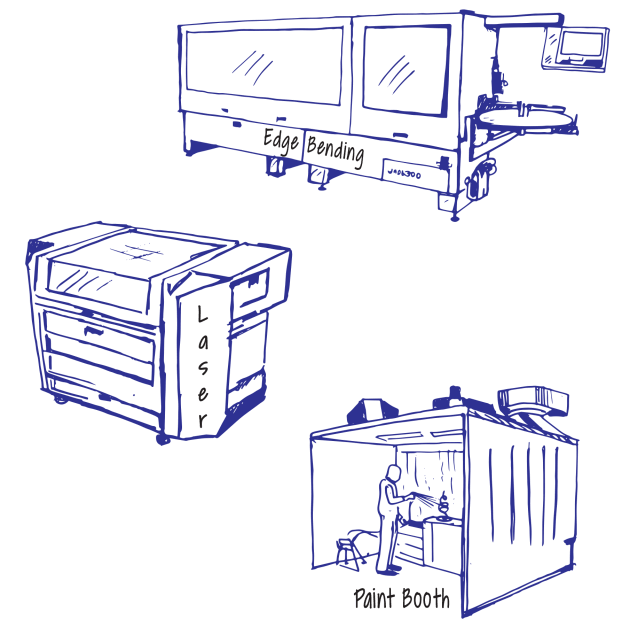
Sheets are cut on laser and precision cutting machines, which produces clean, repeatable parts and smooth edges. Parts are then shaped and assembled into the finished display.
Graphics and branding come from Spectrum's in-house printing, and mixed-material units that combine acrylic with wood or metal are built and test-fitted in the same facility.
Fabricated Acrylic or Thermoformed Plastic?
Both are plastic displays, but they are made differently. Fabricated acrylic, polycarbonate and PETG displays are cut from flat sheet and assembled. They suit clear, flat-panel, premium designs and small to medium quantities. Thermoformed displays are heated and vacuum-formed over a mould, which suits three-dimensional trays, product-shaped cavities and larger runs where the mould cost is spread across many units. Some displays use both: a thermoformed tray inside a fabricated acrylic frame.
Where Acrylic Displays Work Best
Acrylic is the default for cosmetics and beauty counters, pharmacy OTC counters, mobile phone accessories, watches and jewellery, eyewear, and premium confectionery. It suits any category where shoppers need to see the product clearly and the display must stay clean-looking under heavy handling.
Plan for its weak points. Acrylic scratches with abrasive cleaning and can crack if a unit is dropped, so high-handling displays may be better in polycarbonate. Store staff should also be told which cleaners to avoid.
Why Brands Work with Spectrum
Spectrum is an ISO 9001:2015 certified manufacturer with more than 25 years in point-of-sale displays and four production facilities covering over 120,000 sq ft. Acrylic, wood, metal, thermoforming, corrugation and printing all run in-house, so a display that mixes materials is made by one team.
Frequently Asked Questions
Is acrylic the same as plastic?
Acrylic is a type of plastic. Its chemical name is PMMA (polymethyl methacrylate), and it is valued for its glass-like clarity. "Plastic display stand" is the broader term and also covers polycarbonate, PETG and moulded plastics.
What is the difference between acrylic and polycarbonate display stands?
Acrylic is clearer, glossier and less expensive, which makes it the usual choice for counter displays and tester units. Polycarbonate is far more impact-resistant, so it suits displays that get knocked, dropped or heavily handled, but it scratches more easily and costs more.
Can acrylic display stands carry printed branding?
Yes. Logos, product information and graphics can be applied to acrylic displays, and they can be combined with printed panels, wooden bases or metal frames.
How should acrylic display stands be cleaned?
Use a soft microfibre cloth with mild soap and water. Avoid alcohol-based cleaners, ammonia and abrasive pads, which can cause fine cracks (crazing) or scratches on acrylic surfaces.
Do you make plastic counter display stands in bulk for retail rollouts?
Yes. Spectrum manufactures acrylic and plastic counter displays for brand rollouts across multiple stores, with identical laser-cut parts so every unit matches.
